
Is All Meat the Same? Understanding the Real Difference Between Farm-Raised and Supermarket Meat


At first glance, it’s easy to assume that meat is meat. Two packages of chicken or beef may look similar, and prices can seem comparable. But when you examine farm-raised meat vs supermarket meat, the differences become clear.
How animals are raised, what they eat, how much space they have, and how they are processed, directly affects the quality, nutrition, and taste of the meat you eat. Understanding this can change not only your meals but your overall health.
What Defines Farm-Raised Meat vs Supermarket Meat?
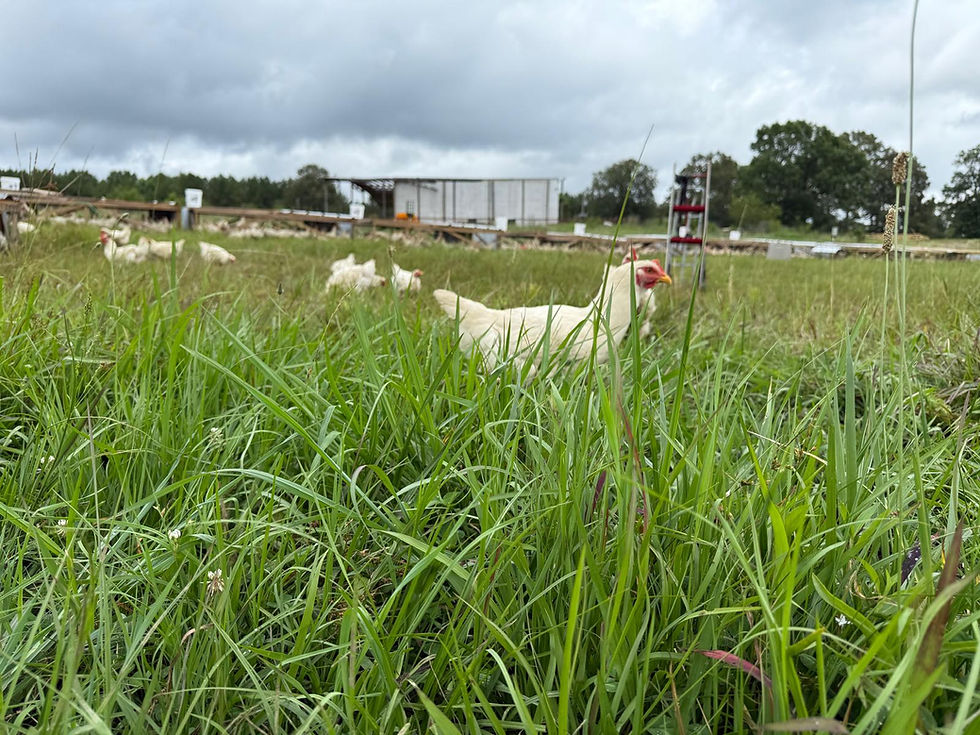
Farm-raised meat comes from animals raised in natural conditions: open pastures, sunlight, fresh air, and diets close to what they would naturally eat. Animals move freely, develop proper muscle, and mature on a slower, healthier timeline.
Supermarket meat often comes from large-scale production systems designed for efficiency. Animals are typically raised indoors, fed grain-heavy diets, and processed quickly. While safe, these methods can affect flavor, fat distribution, and nutrient content.
How Animal Diet and Lifestyle Affect Meat Quality
Diet, movement, and living conditions directly influence meat quality:
Pasture-raised and grass-fed animals often contain more omega-3 fatty acids and antioxidants.
Animals raised on natural diets have firmer, more flavorful meat.
Faster-growing, grain-fed animals may produce meat with different fat composition.
According to Harvard T.H. Chan School of Public Health – Meat and Health, the type and quality of meat you eat can affect heart health, inflammation, and overall nutrient intake.
Also, EatWild – Nutritional Benefits of Grass-Fed Meat shows that pasture-raised meats often have higher vitamin E, beta-carotene, and CLA (conjugated linoleic acid), which are beneficial for your health.
Why Pasture-Raised Meat Tastes Different
One of the most noticeable differences between farm-raised meat and supermarket meat is taste.
Meat from animals raised in natural conditions often has:
a richer, more distinct flavor
firmer texture
more balanced fat distribution
These qualities come from movement, diet, and slower growth cycles. Animals that are allowed to move freely develop muscle differently, which can change both texture and taste.
For many people, the difference becomes clear the first time they cook or eat pasture-raised meat.
Understanding Meat Labels
Labels like “organic,” “free-range,” or “natural” can be confusing.
Organic: Refers to feed and some production standards
Free-range: Animals may have limited outdoor access
Natural: Minimal processing, but not necessarily pasture-raised
USDA guide to understanding meat labels explains that labels alone don’t guarantee quality or nutrition. Knowing the source of your meat is essential.
Why Choosing Farm-Raised Meat Matters

Supporting local, pasture-raised meat benefits:
Health: Cleaner, nutrient-dense meat
Environment: Regenerative practices improve soil, reduce carbon footprint, and support biodiversity
Community: Strengthens local economies and food systems
According to Sustainable Table – Benefits of Local Food, buying from farms you trust ensures transparency and supports ethical practices.
Frequently Asked Questions
Is farm-raised meat healthier than supermarket meat?
Farm-raised meat, especially pasture-raised or grass-fed, often contains higher levels of beneficial fats, antioxidants, and vitamins than conventionally raised meat.
Why does pasture-raised meat taste better?
Natural diets, outdoor movement, and slower growth cycles influence muscle and fat, which enhances flavor and texture.
Is organic meat the same as pasture-raised meat?
Not necessarily. Organic refers to feed and production standards, while pasture-raised describes the animal’s living conditions and outdoor access.
Is supermarket meat safe to eat?
Yes. Supermarket meat is regulated, but quality, taste, and nutrient content can vary based on production methods.
Is buying farm-raised meat worth it?
Many people find the combination of taste, transparency, and potential health benefits worth the investment.
Experience the Difference Yourself
Nothing compares to tasting pasture-raised meat firsthand. The benefits aren’t just in nutrients,they’re in the flavor, texture, and satisfaction of knowing where your food comes from.
Not all meat is the same. Farm-raised meat offers advantages in nutrition, taste, and quality. By choosing pasture-raised options, you make a difference for your health, the environment, and your community. Explore Solomon Farms for your best options.


Comments