
Pasture Raised vs. CAFO: The Full Nutrition Comparison Every Meat Buyer Deserves to See

Most shoppers assume all chicken is roughly the same. It isn't. The difference between pasture-raised poultry and meat from a concentrated animal feeding operation (CAFO) shows up clearly in laboratory analysis in fat quality, omega-3 content, vitamin levels, and the complete absence of antibiotic residues. Here is the full picture, backed by peer-reviewed research and the farming philosophy we practice every day at Solomon Farms.
What "Pasture Raised" and "CAFO" Actually Mean
A concentrated animal feeding operation, better known as a CAFO, is the dominant model of industrial meat production in the United States. Roughly 95 percent of American cattle — and a similarly high proportion of poultry — spend a significant portion of their lives in these facilities, where animals are kept at high density indoors and fed corn- and soy-based rations engineered for rapid weight gain rather than nutritional quality. When demand makes disease inevitable in such close quarters, antibiotics become routine management tools rather than emergency medicine.
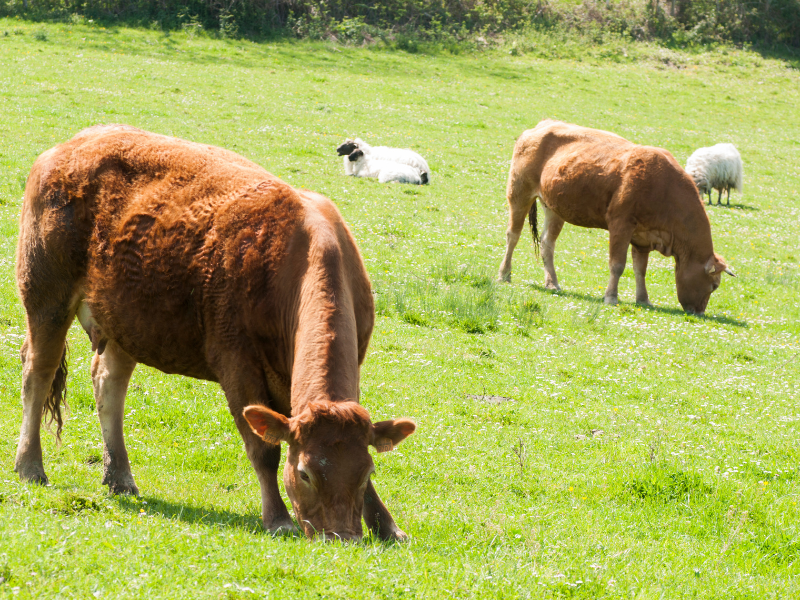
Pasture raising is the opposite approach. At Solomon Farms, our chickens live outdoors in mobile coops rotated daily across fields in Walnut, MS, foraging on grasses, insects, and diverse plant matter exactly as nature designed them to do. No artificial lighting, no confinement, no routine antibiotics — just real sunlight, real movement, and real food. That difference in how an animal lives turns out to matter enormously in the food it becomes.
Pasture Raised vs. CAFO: The Full Nutrition Comparison
The table below draws on peer-reviewed research, including a 2024 study published in Nature Scientific Reports examining pasture-finished cattle across Western U.S. rangelands, as well as established findings from Healthline, WebMD, and Dr. Axe's nutritional summaries on grass-fed and pasture-raised meat.
Nutrient / Factor | Pasture Raised | Conventional (CAFO) |
Total fat | ~21% lower | Higher |
Saturated fat | ~30% lower | Higher |
Omega-3 fatty acids | Up to 3× more | Low |
Omega-6 to Omega-3 ratio | ~4:1 (optimal) | 15–25:1 (pro-inflammatory) |
Vitamin A | Significantly higher | Low |
Vitamin E | Significantly higher | Low |
Zinc, iron, selenium | Higher | Lower |
Protein & collagen | Higher | Lower |
Antibiotics in feed | None | Routinely used |
Synthetic additives | None | Common |
Why the Omega-6 to Omega-3 Ratio Is the Most Important Number on That Table
Modern nutrition research consistently identifies chronic inflammation as the root driver of cardiovascular disease, metabolic dysfunction, and a range of autoimmune conditions. The ratio of omega-6 to omega-3 fatty acids in our diet is one of the most powerful levers we have to either accelerate or dampen that inflammation. Ancestral human diets maintained a ratio close to 4:1. CAFO-raised meat typically delivers a ratio between 15:1 and 25:1, a range that nutritional scientists associate with elevated inflammatory markers across the population.
Pasture-raised poultry and meat restores that ratio closer to its ancestral ideal. When chickens forage on grasses and insects, they convert plant-based alpha-linolenic acid into EPA and DHA, the same long-chain omega-3s found in wild fish and that conversion shows up directly in the meat you eat. This is not a minor or theoretical difference; it is one of the clearest mechanisms by which the food system affects public health outcomes at scale.
Fat-Soluble Vitamins: What Sunshine and Foraging Actually Produce
Vitamin A and vitamin E are fat-soluble nutrients that accumulate in an animal's tissue in direct proportion to what that animal eats and how it lives. Chickens and cattle raised on fresh pasture consume carotenoid-rich grasses and diverse forages that translate into significantly elevated levels of both vitamins in the meat.
Vitamin A supports immune function, skin integrity, and reproductive health, while vitamin E functions as a primary antioxidant that also protects the meat's polyunsaturated fats from oxidizing before they reach your plate. CAFO-raised animals, eating predominantly processed grain, produce meat with a fraction of these levels.
Zinc, Iron, and Selenium: The Minerals That Make Meat Medicine
Zinc supports immune function and wound healing. Iron in heme form from animal sources is absorbed at a rate two to three times higher than plant-based iron. Selenium is an essential co-factor for thyroid hormone production and antioxidant enzyme systems.
Research from the 2024 pasture-finishing study published in Nature Scientific Reports confirmed that pasture-finished animals showed measurably improved metabolic health markers and superior nutritional compound profiles compared to their grain-finished counterparts, including higher concentrations of these key minerals. Soil health drives plant mineral density, plant mineral density drives animal mineral density, and that density ends up on your plate or doesn't, depending on how the animal was raised.
Antibiotics in CAFO Meat: What Routine Use Actually Means for Your Health
The U.S. Food and Drug Administration and the World Health Organization have both identified routine antibiotic use in livestock as a significant contributor to the global antibiotic resistance crisis. When antibiotics are administered to healthy animals in CAFO settings to prevent disease rather than treat it, resistant bacterial strains develop and can transfer to humans through meat consumption, environmental runoff, and farm worker exposure.
"The greater the fat content, the greater the number of calories — and when that fat is low-quality, high-omega-6 fat from grain-fed animals, the caloric cost comes with an inflammatory burden attached."— Adapted from Harmony's Way Family Farm nutrition research summary
Pasture-raised animals in a genuine outdoor system simply do not require preventive antibiotics. Movement, sunlight, low stocking density, and access to diverse forages produce animals with robust immune systems. At Solomon Farms, no antibiotics are administered to our flocks, and our regenerative pasture rotation ensures that soil health supports animal health from the ground up. That is not a marketing claim — it is the direct, logical consequence of how the animals live.
Beyond Nutrition: Why Pasture Raised Farming Is Better for Soil and Climate
The nutritional argument for pasture-raised meat is compelling on its own, but it does not exist in isolation from environmental outcomes. CAFOs generate concentrated animal waste that strains local water systems and contributes to soil degradation, while pasture systems integrate that same waste into the land as a natural fertilizer that builds organic matter over time. Healthy soil sequesters carbon, retains water during drought, and supports the pollinators and microbial communities that the entire food web depends on.
Regenerative pasture rotation, moving animals across fields rather than keeping them in fixed locations mimics the grazing patterns of wild ruminants that built North America's great grassland soils over millennia. When done correctly, pasture farming does not deplete the land; it restores it. That is the agricultural model Solomon Farms is committed to, and it is why the nutritional quality of our poultry is inseparable from the ecological health of our fields in Walnut, MS.
The label problem worth knowing about: "Grass-fed" on a retail package does not automatically mean pasture-raised or antibiotic-free. Because "grass-fed" is a less regulated term, producers can use the label even if animals spent significant time in a feedlot or received supplemental grain. The clearest standard is 100% pasture-raised and pasture-finished with no supplemental grain and no routine antibiotics which is the standard Solomon Farms holds itself to.
How to Choose Genuinely Pasture Raised Meat Without Getting Misled by Labels
Navigating the meat counter requires more label literacy than it should. Here is a practical framework for buying with confidence.
The gold standard is direct-from-farm purchasing, where you can ask specific questions about how animals are raised, whether they have continuous outdoor access, what they are fed, and whether antibiotics are ever used. Farmers' markets, farm websites, and CSA-style meat subscriptions put you in direct contact with the producers. Regional farm directories and online marketplaces that vet their suppliers are a useful second option when direct purchase is not possible.
When buying packaged meat, look for "pasture-raised" paired with "no antibiotics ever" and ideally a third-party certification from an organization with published animal welfare and production standards. "Natural" means nothing regulated. "Hormone-free" on chicken is legally redundant since hormones are already prohibited in U.S. poultry, its presence on a label is a marketing gesture, not a meaningful differentiator.
Frequently Asked Questions
Is pasture-raised chicken actually more nutritious, or is that just marketing?
The nutritional differences are real and documented in peer-reviewed research. Multiple studies confirm that pasture-raised poultry and beef contain measurably higher omega-3 fatty acids, vitamin A, vitamin E, and key minerals including zinc and selenium compared to their CAFO-raised counterparts.
The mechanisms are well understood: what an animal eats and how it moves directly shapes the nutritional profile of its meat. The difference is not marginal, omega-3 levels can be up to three times higher in pasture-raised animals.
Why does the omega-6 to omega-3 ratio matter so much?
Omega-6 and omega-3 fatty acids compete for the same metabolic pathways in the human body. When omega-6 intake dramatically outpaces omega-3 intake as it does when a diet is built largely around CAFO-raised meat, the result is a systemic pro-inflammatory state that researchers associate with increased risk of cardiovascular disease, metabolic syndrome, and chronic inflammation. A ratio closer to 4:1, which pasture-raised meat helps restore, supports the anti-inflammatory balance that human physiology evolved to maintain.
Does pasture-raised mean the same thing as grass-fed?
Not necessarily, and the distinction matters. "Grass-fed" refers to what an animal eats, while "pasture-raised" refers to how and where it lives. An animal can technically be grass-fed while still spending much of its life confined.
The clearest standard combines both: 100% pasture-raised, grass-fed and grass-finished, with no supplemental grain and no routine antibiotics. Always look for producers who can speak specifically to their practices rather than relying on a single label term.
Is antibiotic-free meat worth the price premium?
From a public health standpoint, the case for antibiotic-free animal products extends beyond the individual consumer. Routine antibiotic use in CAFOs contributes to the development of antibiotic-resistant bacteria, a recognized global health threat. For the individual, avoiding antibiotic residues in food is a reasonable precaution, and the price difference between pasture-raised and conventional meat is typically far smaller than many people expect, particularly when purchasing directly from a farm or in bulk.
Does pasture-raised meat taste different from conventional?
Yes, and most people who try it notice immediately. Pasture-raised chicken tends to have a firmer texture and more developed, complex flavor compared to the soft, mild profile of conventionally raised poultry. The difference reflects the animal's muscle development from real movement and a more varied diet. Many customers describe it as chicken that tastes the way they remember it tasting before industrial production became the norm.
Where can I buy pasture-raised chicken in Memphis?
Solomon Farms delivers pasture-raised, antibiotic-free poultry to customers in and around Memphis, TN, from our farm in Walnut, MS. You can browse our available cuts, whole chickens, chicken parts, goat meat, and beef and place an order directly at solomonfarms.com/shop. We also offer wholesale options for restaurants, wellness practices, and buying groups. If you're local to the Memphis area and looking for pasture-raised poultry you can trust, we are the closest farm committed to this standard.
How does Solomon Farms define "pasture raised"?
At Solomon Farms, pasture-raised is not a buzzword, it is a daily operational commitment. Our chickens live outdoors in mobile coops that are rotated across our fields every day, giving them access to fresh forage, sunlight, and natural behaviors including foraging, scratching, and dust-bathing. They are never confined to barns, never given routine antibiotics, and never raised under artificial lighting cycles. The result is a bird that is healthier, better nourished, and genuinely different from anything produced in a CAFO.
Solomon Farms ships pasture-raised, antibiotic-free poultry directly to homes and businesses in Memphis and beyond raised the way food was always meant to be raised.


Comments