
Why Does Grass-Fed Beef Taste Different?

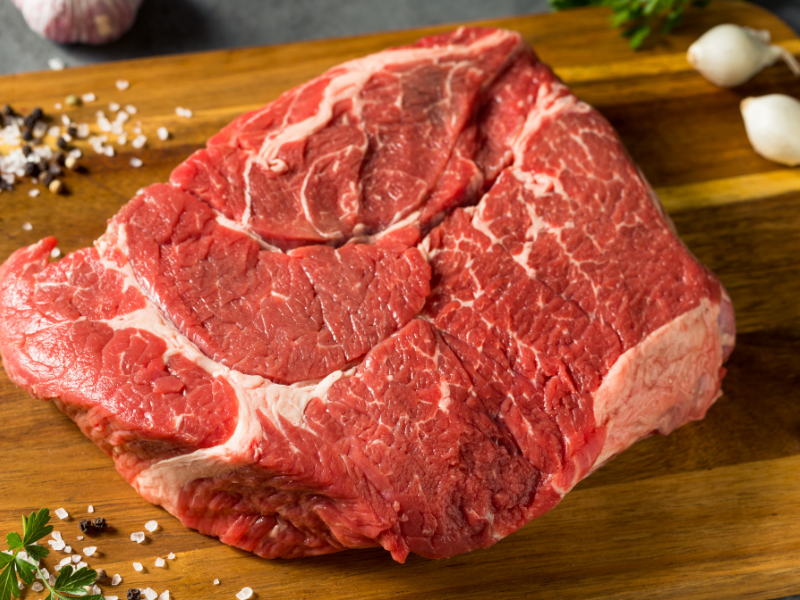
If you've bitten into a grass-fed steak and noticed it tasted noticeably different from the beef at a typical grocery store, you weren't imagining it. Grass-fed beef has a flavor profile shaped almost entirely by what the animal eats, how it lives, and how the meat is handled afterward. Once you understand where that flavor comes from, it stops feeling unfamiliar and starts tasting like exactly what beef is supposed to taste like.
At Solomon Farms, we raise our cattle on open pasture in Walnut, Mississippi, which means the flavor of our 100% Grass-Fed Beef is a direct reflection of the land it grazed on. Understanding why does grass-fed beef taste different helps explain why so many families are making the switch, and how to get the most out of every cut once it reaches your kitchen.
What Makes Grass-Fed Beef Taste Different From Grain-Fed Beef
The short answer is diet. Grain-finished cattle spend their final months in a feedlot eating corn and soy, a high-starch diet built to add fat and weight quickly. That process, known as marbling, is what gives conventional grocery-store beef its mild, sweet, buttery flavor. Grass-fed cattle never go through that stage.
They graze on pasture grasses, wild herbs, and legumes for their entire lives, and that varied, natural diet produces a leaner cut with a deeper, more complex flavor that many describe as earthy, grassy, or mineral-forward, a pattern well documented by Food Republic's breakdown of grass-fed flavor.
The Role of Fat in Grass-Fed Beef Flavor
Fat carries flavor, and it also determines how a steak feels in your mouth. Grain-fed beef has more intramuscular marbling, so it tastes richer and more familiar to most American palates. Grass-fed beef carries less fat overall, and the fat it does have is firmer and melts at a slightly higher temperature. That structural difference is part of why grass-fed cuts can taste "beefier" and more concentrated rather than softened by fat, a distinction outlined well by Crowd Cow's explanation of grass-fed beef texture and fat.
Diet, Terroir, and the Grass-Fed Beef Flavor Profile
Just as wine reflects the soil it's grown in, grass-fed beef reflects the pasture it's raised on. Cattle grazing on diverse grasses, clover, and native forage develop a flavor profile tied to the season and the land itself.
That's part of why grass-fed beef from one farm can taste noticeably different from grass-fed beef from another, and it's a big part of what makes pasture-raised meat feel more connected to a real place instead of a uniform commodity product, a point echoed in Winters Ranch's look at pasture diet and flavor compounds.
Why Grass-Fed Beef Can Taste Gamey Or Bitter If It's Overcooked
Grass-fed beef has less margin for error than grain-fed beef because it's leaner. Overcooking is the single most common reason people describe grass-fed steak as tough, bitter, or overly gamey.
Since there's less fat to protect the meat from drying out, grass-fed cuts cook faster and benefit from lower, gentler heat rather than the high-heat approach that works fine on a well-marbled grain-fed steak.
How To Cook Grass-Fed Beef So It Tastes Its Best
A few adjustments make a significant difference in how grass-fed beef tastes on the plate. Cooking to a slightly lower internal temperature, letting the meat rest before slicing, and avoiding prolonged high heat all help preserve moisture and let the natural flavor come through instead of turning sharp or metallic.
Reverse-searing thicker cuts and finishing quickly over direct heat tends to produce the most consistent results, an approach also recommended by Pumpkin Creek Ranch's comparison of grass-fed and grain-fed cooking methods.
Is Grass-Fed Beef Healthier As Well As More Flavorful
The same pasture-based diet that shapes the flavor of grass-fed beef also shapes its nutrition. Grass-fed beef tends to carry more omega-3 fatty acids and conjugated linoleic acid than grain-fed beef, along with fewer calories per serving due to its lower fat content.
For families choosing meat based on both taste and nutrition, that combination is a major part of the appeal, and it's one of the reasons we've written before about how to know if the meat you're buying is genuinely ethically raised.
Choosing Grass-Fed Beef You Can Trust
Not all grass-fed labeling means the same thing, which is why sourcing matters as much as the diet itself. Beef from cattle that graze freely on rotated pasture, without hormones or added grain, consistently delivers the deep, clean flavor people associate with real grass-fed beef.
When that flavor is missing or comes across as flat, it's often a sign of rushed processing or a diet that wasn't as pasture-focused as the label suggests.
Frequently Asked Questions About Grass-Fed Beef Flavor
Why does grass-fed beef taste different than grain-fed beef?
Grass-fed beef comes from cattle that graze on pasture grasses and forage their entire lives, rather than being finished on corn and soy in a feedlot. That natural diet produces a leaner cut with an earthier, more mineral-rich flavor compared to the sweeter, fattier taste of grain-fed beef.
Is grass-fed beef supposed to taste gamey?
A mild gamey note is normal and comes from the animal's natural diet. A strong bitter or metallic taste is usually a sign of overcooking, since grass-fed beef is leaner and has less fat to buffer against high heat.
How do I cook grass-fed beef so it's not tough?
Cook grass-fed beef to a slightly lower temperature than you would grain-fed beef, use gentler heat, and let it rest before slicing. Reverse-searing thicker cuts helps keep the meat tender while still developing a good crust.
Does grass-fed beef taste better than grain-fed beef?
It depends on preference. Grass-fed beef offers a more complex, natural flavor, while grain-fed beef tends to taste richer and more familiar due to higher marbling. Neither is objectively better, they're simply different expressions of the same animal.
Where can I buy grass-fed beef raised on real pasture?
Solomon Farms raises 100% grass-fed beef on open pasture in Walnut, Mississippi, with full transparency about how our cattle are raised and fed.
Once you understand what shapes the flavor, grass-fed beef stops being an acquired taste and starts being the standard you compare everything else to. If you're ready to taste the difference for yourself, explore our 100% Grass-Fed Beef and see what pasture-raised flavor is supposed to taste like.


Comments